Ann Arbor top home remodeling contractor for Residential Remodeling
Ann Arbor top home remodeling contractor for Residential Remodeling
Blog Article
Home Renovation: Remake Your Space Into Your Desired Home
Home renovation offers a practical method to improving both functionality and aesthetics in living spaces. It enables homeowners to customize their spaces and potentially boost property value. However, attaining the desired results requires careful planning and adherence to a budget. Comprehending design styles and selecting the right contractors are vital steps in this process. As homeowners start this journey, they must consider what they truly wish to achieve. The path ahead contains several significant factors to explore.
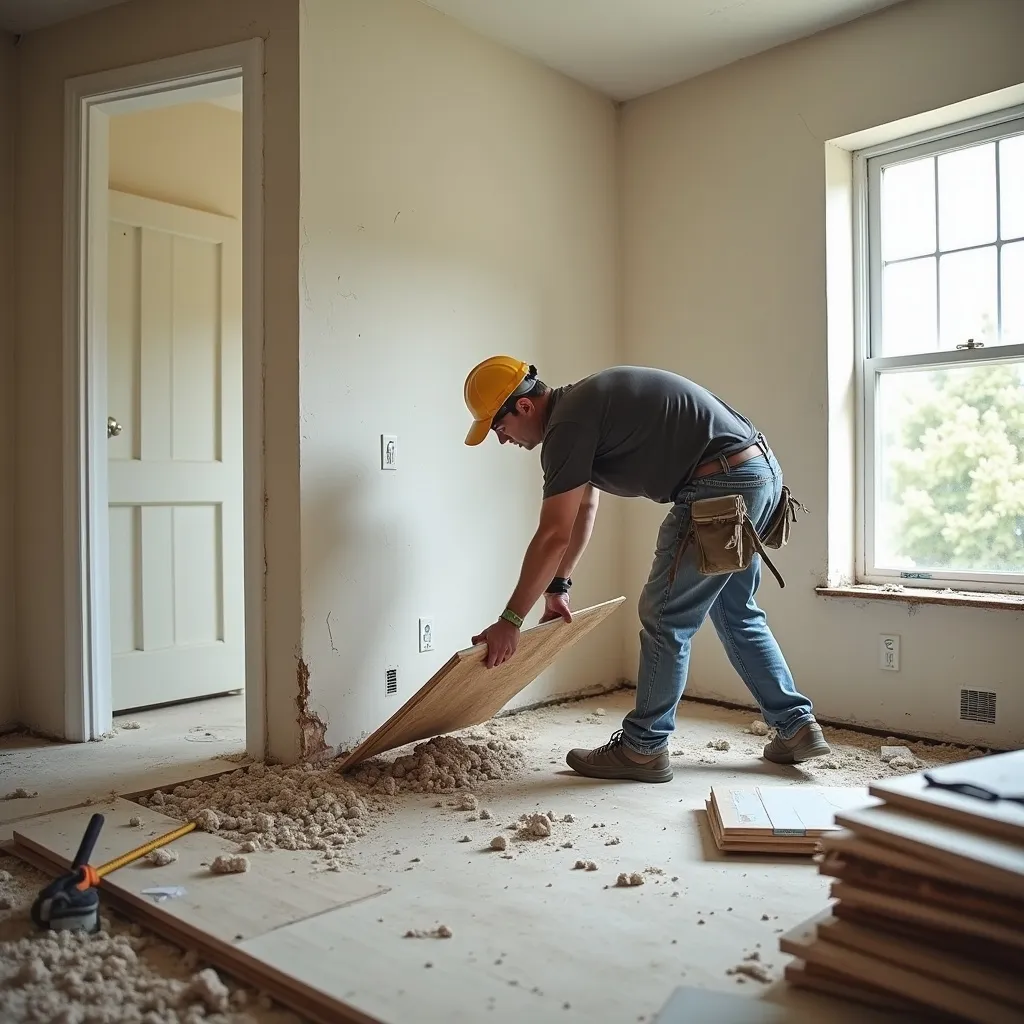
What Do You Want to Achieve With Your Home Renovation?
What aims does one have in mind when beginning a home renovation project? People often seek to enhance functionality, improve aesthetics, or increase property value. Some may want a more open layout to encourage social interactions, while others aim to create a peaceful retreat within their get details on this home. Specific objectives can include modernizing outdated spaces, incorporating energy-efficient elements, or expanding living areas to accommodate growing families.
Moreover, a homeowner might desire to personalize their environment to display their preferences and tastes, making it a genuine reflection of who they are. Security and ease of access can also prove important factors, particularly for those having aging family members or physical limitations. In the end, the goals of a remodeling project serve as the foundation for decision-making, steering choices in design, materials, and general delivery. Recognizing these ambitions is vital for reaching a positive transformation that fulfills both functional requirements and personal desires.
Ways to Create a budget for Your Home Renovation Project
Budgeting for a home renovation project demands careful organization and attention. It is vital to set an overall budget, prioritize necessary improvements, and allow for unforeseen costs that may occur. By approaching the budgeting procedure systematically, homeowners can accomplish their goals without financial strain.
Determine Your Total Budget
Before beginning a home renovation project, it is essential to determine an overall budget that matches both financial constraints and renovation goals. Homeowners should begin by assessing their finances to understand how much they can realistically allocate for the project. This includes evaluating savings, income, and possible financing options. It is also wise to factor in unexpected expenses, typically 10-20% of the total budget, to cover unforeseen issues that may arise during renovation. Additionally, property owners should investigate the costs related to various materials and labor in their area, enabling informed decisions. By creating a clear budget, homeowners can keep focus on their remodeling goals and avoid the stress of overspending.
Emphasize Core Updates
After establishing a firm budget, homeowners can turn their focus to identifying which improvements that can provide the most advantage and functionality in their space. Prioritizing essential upgrades involves evaluating areas that require immediate focus, such as outdated plumbing or electrical systems, which can pose safety risks. Since kitchen and bathroom renovations often provide strong returns on investment, it is wise to allocate funds for modernizing these sections of the home. Moreover, improving energy efficiency by updating windows, insulation, or appliances can lower future expenses. Lifestyle needs should also be considered by homeowners, such as providing open areas for family gatherings or designated workspaces. Homeowners maximize remodeling impact and keep within budget by thoughtfully choosing upgrades that fit both present demands and future aspirations.
Account For Unexpected Costs
Anticipating unforeseen expenses is crucial for homeowners undertaking a remodeling project. Budgets can quickly become strained when unforeseen issues occur, such as structural damage, outdated wiring, or hidden water damage. Experts recommend setting aside an extra 10 to 20 percent of the total budget to account for these contingencies. Property owners should also account for possible cost variations in supplies and workmanship. Investigating local contractors and securing multiple estimates can provide a better understanding of expected expenses. Additionally, keeping open communication with construction professionals throughout the process allows you to spot and resolve issues promptly. By strategically planning for these unexpected costs, homeowners can guarantee that their remodeling project remains on schedule, ultimately transforming their home without budget stress.
Which Style Options Are Best For Your Home Remodeling?
In the field of home remodeling, design styles serve as an crucial part in shaping the overall appearance. Homeowners can choose from a range of choices, including modern minimalist aesthetics, cozy rustic charm, and elegant traditional touches. Each approach contributes its own unique character, influencing both the atmosphere and utility of the space.
Present-day Minimalist Design Elements
Modern streamlined design principles offer an invigorating method to home remodeling, defined by minimalism and practicality. This design style emphasizes spacious areas, clean lines, and a limited color palette, often showcasing neutral tones that encourage a feeling of tranquility. Furniture and decor are purposefully selected, creating an organized environment that improves overall balance. Natural materials, such as timber and stone, often play a important part, adding warmth while preserving a polished appearance. Lighting is carefully considered, often using large windows to enhance natural light. In a modern minimalist home, every component serves a purpose, adding to a unified appearance that embodies the homeowner's values of precision and effectiveness. This style promotes serenity, rendering it perfect for modern living.
Comfortable Rustic Charm
Embracing the spirit of warmth and ease, cozy rustic charm serves as a popular choice for homeowners looking for a more welcoming atmosphere. This decor approach often incorporates natural materials, such as reclaimed wood, stone, and soft textiles, forming a organic feel. Earthy color palettes—consider warm browns, soft greens, and muted reds—enhance the link to nature.
Key particulars include bare wooden beams, substantial seating, and aged furnishings, which awaken a sense of nostalgia. Fireplaces present as focal points, bringing families in harmony in a informal setting. Additionally, fusing contemporary additions with rustic accents ensures functionality without abandoning charm. Overall, cozy rustic charm converts spaces into tranquil retreats, making it an appealing option for those striving to permeate their homes with authenticity and comfort.
Elegant Traditional Elements
While many homeowners seek comfort through rustic designs, others perceive beauty in the cultivated elegance of traditional styles. This design approach underscores timeless elements such as ornate moldings, period furniture, and vibrant color palettes. Traditional spaces often present symmetrical layouts and formal arrangements, creating a sense of order and grace. Incorporating antique or retro pieces can enhance genuineness, while luxurious fabrics like silk and velvet add layers and texture. Architectural features, such as coffered ceilings and wainscoting, add an overall sense of grandeur. Homeowners embracing this style often adopt warm, comfortable spaces that showcase their heritage or personal history, making traditional design a lasting choice for those wishing to evoke a sense of elegance in their remodeled homes.
Steps to Find the Appropriate Contractors for Your Home Renovation?
Determining the right specialists for home remodeling can greatly impact the success of a endeavor. Residents should start by researching local contractors and checking their qualifications, encompassing credentials and liability coverage. Perusing online reviews and seeking endorsements from companions or relatives can provide valuable insights into a contractor's track record.
Following this, it's imperative to meet with multiple candidates to evaluate their communication abilities and professional standards. Property owners should obtain in-depth estimates and schedules to maintain clarity. A skilled builder should be inclined to answer questions and furnish a clear picture of the project scope.
Additionally, reviewing past work or collections can assist homeowners assess a contractor's style and standard of work. Finally, trust and connection are essential; a contractor's demeanor and willingness to work together can significantly influence the renovation experience. By implementing these measures, homeowners can make informed decisions that correspond with their vision for their dream home.
What Are Important Tips for a Thriving Home Renovation?
How can property owners ensure a successful home renovation venture? Initially, establishing a clear plan is essential. Property owners should define their goals and priorities, ensuring all parties comprehend the intended result. Subsequently, setting a realistic financial plan helps mitigate unforeseen expenses. It is crucial to incorporate a contingency fund for unexpected challenges.
Effective dialogue with contractors is important; house owners must convey their requirements clearly. Frequent updates and on-site inspections can enhance this interaction. Additionally, researching materials and styles will empower house owners to make knowledgeable choices, weighing aesthetics and practicality.
Finally, acquiring required licenses ensures adherence to local laws, preventing future complications. By following these tips, homeowners can navigate the complexities of remodeling, ultimately transforming their space into a dream home.
Tips for Maintaining Your Just Renovated Home?
Once investing time and resources into a home remodel, homeowners must prioritize ongoing maintenance to preserve their newly transformed space. Consistent cleaning is imperative; using fitting cleaners for different surfaces will prevent damage and wear. For example, hardwood floors necessitate special cleaners that shield the finish, while countertops may need specific treatments to avoid stains.
Additionally, homeowners should execute periodic seasonal inspections to handle any issues early. This comprises inspecting leaks, maintaining HVAC systems, and confirming outdoor drainage is working properly. Regular maintenance of appliances and fixtures will also extend their lifespan.
Furthermore, it is wise to create a maintenance schedule, outlining tasks such as applying a fresh coat of paint or resealing surfaces when necessary. By investing effort into these practices, homeowners can keep the appearance and functionality of their remodeled spaces, in the end enhancing their property’s value and comfort for years to come.
Commonly Raised Queries Frequently
How long Does a Standard Home Renovation Project Take?
A typical home renovation project can take anywhere from a few weeks to several months, based on the scope, complexity, and magnitude of the remodel. Each project differs depending on individual needs and unexpected obstacles.
What Permits Are Necessary for Home Remodeling?
Generally, licenses required for house renovation consist of building, electrical, plumbing, and mechanical permits. Local rules may differ, so it's vital for homeowners to reach out to their municipality to verify compliance with all required standards and guidelines.
What Ways Can Help Me to Lessen Disturbances During Remodeling?
To reduce disruptions during remodeling, one can create clear communication with contractors, determine defined scheduling, assign a separate living area, and keep a tidy workspace. Advance planning helps guarantee a smoother remodeling process.
What Are Typical Errors to Prevent in Home Renovation?
Frequent mistakes to circumvent in remodeling encompass underestimating financial allocations, overlooking regulatory requirements, skipping thorough planning, picking the incorrect products, disregarding timelines, and failing to communicate clearly with contractors, which can lead to expensive delays and unsatisfactory results.
How Should I Control Unexpected Costs Throughout the Renovation Process?
To handle unforeseen costs during renovation, one should maintain a emergency fund, communicate openly with contractors, prioritize essential improvements, and stay adaptable in decision-making. This strategy assists with managing finances and reduces anxiety throughout the project.
Report this page